Table of Contents▼
Available Branches
Madan Mohan Malaviya University of Technology, Gorakhpur currently has the following branches available on PYQora. Choose a branch to open its dedicated view, where subjects will be shown semester-wise in a simpler and more useful way.
- Civil Engineering
- Computer Science and Engineering
- Electrical Engineering
- Electronics and Communication Engineering
- Mechanical Engineering
About MMMUT Gorakhpur
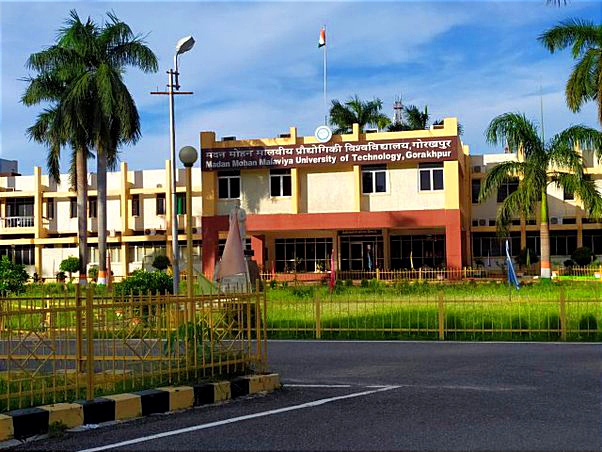
Madan Mohan Malaviya University of Technology (MMMUT), Gorakhpur was established in 1962 as Madan Mohan Malaviya Engineering College and became a state technical university in 2013. The university has a 354-acre campus, around 1189 B.Tech seats, and a strong current ranking profile.
In NIRF 2025, MMMUT ranked 60th in Engineering, 68th among Universities, 23rd among State Public Universities, 99th Overall and 83rd in Management. In IIRF Rankings 2026, it ranked 51st nationally in Engineering and 66th in Management, while its placement data includes a reported highest package of about 59 LPA.
Key Highlights
- Large open campus (~350+ acres)
- State government engineering university
- Huge B.Tech intake (~1189 seats) makes it relatively easier to secure a branch
- Offline Spot Round Counseling offers massive opportunities even for higher JEE Main ranks
Campus Environment
Life at MMMUT feels different from what many students expect before joining. The campus is quite large, so after a few weeks most students become familiar with the fact that moving between hostels, classrooms, departments, and other facilities often involves a fair amount of walking. The university has a mix of academic buildings, hostels, laboratories, sports areas, and open spaces, giving it a spacious feel even though some parts of the campus are still relatively undeveloped. Hostel rooms generally accommodate three to four students, and much of campus life revolves around interactions with friends rather than organized recreational activities. During free hours when classes are not running, students usually fall into two groups. Some prefer spending time near the Multi-Purpose Hall (MPH), sitting with friends, discussing academics, college life, or simply relaxing on the nearby grounds where cricket, badminton, and other informal games are common. Others often head to the ITRC, which remains one of the more active places on campus for students looking to work on projects, use computing facilities, or spend their time in a more productive environment. The Multi-Purpose Hall itself plays an important role in university life and regularly hosts technical events, cultural programs, competitions, and student gatherings throughout the year. As a result, campus life does not remain limited to classrooms alone, and students get opportunities to participate in various activities beyond academics. Weather can influence the overall experience as well. Summers often feel harsh because of the open layout of the campus and prolonged exposure to sunlight, while winters are generally more comfortable. Basic conveniences are available within the campus itself. MMMUT has its own canteen where students can find most everyday food and snack options. There is also an Amul outlet on campus, although students often mention that it is not always operational. Even when the Amul shop is closed, the canteen generally remains the primary place for tea, snacks, cold drinks, and other daily requirements. Food delivery services also operate reliably in most hostel areas, making daily life relatively convenient for residents. However, like many government institutions, students occasionally face maintenance-related issues such as hostel repairs or non-functional water coolers, which may not always be addressed immediately. Academically, MMMUT follows a fairly traditional engineering curriculum with a strong focus on core subjects. Many students rely not only on classroom teaching but also on senior notes, previous year question papers, and self-study while preparing for examinations. Over time, students usually adapt to the system and develop their own approach to balancing academics, hostel life, and extracurricular activities. Rather than being a campus known for luxury facilities or a fast-paced city environment, MMMUT offers a relatively straightforward engineering college experience. Students who are willing to make use of the available opportunities, build strong peer groups, and stay consistent with their academic goals generally find the environment supportive for both personal and professional growth.
Admission Process
MMMUT conducts its own independent counseling process, which was earlier part of UPTAC / AKTU but now operates separately. For B.Tech admissions, candidates are allotted seats based on their JEE Main rank, where better ranks make it easier to secure preferred branches.
Conducted online in 4 rounds on the official portal. Seats are given purely based on your JEE Main rank.
You need to pay the required seat confirmation fee. After that, visit the campus with your original documents to complete your admission.
Conducted offline at the Multi-Purpose Hall (MPH) for remaining empty seats. Students with higher ranks also get good chances here.
Your documents are verified immediately. You must pay the full college fee via a Demand Draft (DD) right away to secure your seat.
In 2025, for example, the final cutoff rank for Computer Science Engineering under the home state quota was 73,037 (CRL, General category), while it extended to 76,643 for the other state quota, reflecting a slight advantage for outside-state applicants. The regular counseling consists of four rounds, completely managed through the official MMMUT counseling portal. Once a seat is allotted, candidates must pay a seat acceptance fee, which is later adjusted against the academic fee rather than being charged separately. Following this, physical reporting at the campus is mandatory for document verification, depositing the remaining fee, and collecting the official seat allotment letter—effectively completing the admission process for the initial rounds. For students who do not secure a seat in the regular rounds, MMMUT organizes a dedicated spot counseling round. Registration is mandatory for this stage; however, candidates who participated in the earlier rounds but failed to secure a seat do not need to pay any additional charges beyond their initial ₹2,500 non-refundable counseling fee. On the other hand, fresh applicants entering directly through the spot round will need to pay the same amount. Spot counseling is conducted offline on campus, typically at the Multi-Purpose Hall (MPH), where vacant seats are distributed based on merit and available choices. In this round, candidates must clear the full university fee via a demand draft right at the time of allotment, followed by instant document verification and the issuance of their allotment letter to formally seal the admission. Ultimately, the spot counseling round serves as an excellent opportunity for candidates with relatively higher numerical ranks to secure a seat. While cutoffs remain tightly competitive during the regular rounds, the closing ranks usually widen considerably during the spot round as left-over vacancies open up. Therefore, even if your JEE Main rank is on the higher side, participating in this round is highly recommended since your chances of grabbing an allotment improve drastically. The rest of the procedure is straightforward—simply complete your online registration and report directly to the campus (MPH) with your original documents and the full fee demand draft in hand.
Seat Matrix
MMMUT has a much better seat matrix compared to other government colleges because the overall intake here is quite high. To help you understand this seat distribution and leverage it during your counseling process, we have compiled the official branch-wise breakdown below.
| S. No. | Branches | Intake in 1st Year | Tuition Fees Waiver Seat* | Total Seats for Home State (UP) | Total Seat for Other State # | Total Seats |
|---|---|---|---|---|---|---|
| 1. | Civil Engineering (CE) | 120 | 6 | 126 | 12 | 138 |
| 2. | Electrical Engineering (EE) | 120 | 6 | 126 | 12 | 138 |
| 3. | Mechanical Engineering (ME) | 120 | 6 | 126 | 12 | 138 |
| 4. | Electronics & Communication Engineering (ECE) | 180 | 9 | 189 | 18 | 207 |
| 5. | Electronics and Communication Engineering ECE (IoT) | 60 | 3 | 63 | 6 | 69 |
| 6. | Computer Science and Engineering (CSE) | 255 | 12 | 267 | 25 | 292 |
| 7. | Chemical Engineering (CH) | 60 | 3 | 63 | 6 | 69 |
| 8. | Information Technology (IT) | 120 | 6 | 126 | 12 | 138 |
| Total Seats | 1035 | 51 | 1086 | 1033 | 1189 | |
| *Tuition Fees Waiver Seat (5% of Intake in 1st Year for each branch). # Other State Seat (10% of Intake in 1st Year for each branch) | ||||||
This high seat count brings a massive practical advantage before counseling even begins. In regular rounds, getting entry into a lower branch is much easier even at a higher rank, which is perfect for anyone whose main goal is just to enter this college. Additionally, because there are more seats overall, a good number of vacant seats are left over for the spot rounds compared to other state government colleges, making it highly beneficial to analyze this data beforehand.
Last Round Cutoffs
Checking the MMMUT cutoff trends is very important because the college offers a great seat matrix for engineering students. To help you make the best decision during your engineering counseling process, we have provided the official General category last round data below.
| Branch Name | 2024 Last Round Cutoff | 2025 Last Round Cutoff | ||
|---|---|---|---|---|
| Opening | Closing | Opening | Closing | |
| A) Uttar Pradesh Domicile Quota | ||||
| Chemical Engineering | 151961 | 172344 | 152257 | 161503 |
| Civil Engineering | 151907 | 170947 | 155520 | 171337 |
| Computer Science and Engineering | 61416 | 64820 | 71490 | 73037 |
| Electrical Engineering | 111629 | 118436 | 118293 | 125428 |
| Electronics and Communication Engineering | 88574 | 92001 | 98571 | 102163 |
| Electronics & Communication Engg. (IoT) | 92031 | 100081 | 105980 | 107986 |
| Information Technology | 76738 | 78966 | 86489 | 88976 |
| Mechanical Engineering | 138203 | 146811 | 137947 | 145226 |
| B) Other State Quota | ||||
| Chemical Engineering | 128428 | 141508 | 167928 | 184885 |
| Civil Engineering | 132631 | 139567 | 166587 | 184378 |
| Computer Science and Engineering | 73528 | 74559 | 76643 | 76643 |
| Electrical Engineering | 100924 | 104291 | 114712 | 128415 |
| Electronics and Communication Engineering | 87700 | 92633 | 102028 | 104647 |
| Electronics & Communication Engg. (IoT) | 91629 | 95697 | 105354 | 107264 |
| Information Technology | 81910 | 83838 | 89347 | 93141 |
| Mechanical Engineering | 123926 | 133782 | 138931 | 177327 |
This year-by-year comparison will give you a clear idea about your admission chances. Even if your rank is slightly lower, analyzing these opening and closing ranks will guide you to find the most suitable branch and make a perfect choice filling list without any confusion.
Fee Structure
The fee structure at Madan Mohan Malaviya University of Technology (MMMUT) is designed to maintain transparency while balancing affordability. For B.Tech students, the first-year fee is ₹1,37,500, followed by ₹1,29,500 per year from the second year onwards. In addition, a nominal semester registration charge of ₹200 is payable before the start of each even semester (2nd, 4th, 6th, and 8th), through the university’s Samarth portal as notified officially.
| Category / Fee Type | 1st Year (₹) | 2nd Year Onwards (₹) |
|---|---|---|
| Day Scholar (Total Fee) | ₹1,37,500 | ₹1,29,500 |
| Hosteller (Base Academic Fee) | ₹1,35,000 | ₹1,27,000 |
| Hostel Charges (Rent + Caution) | ₹30,000 | ₹27,500 |
| Mess Charges (Per Semester) | ₹18,000 | ₹18,000 |
| Total Annual Cost (Hostellers) | ₹2,01,000 | ₹1,90,500 |
For day scholars, the bus fee is included in the total charges, amounting to ₹5,000 annually, making the first-year total ₹1,37,500. For hostel residents, the base academic fee is slightly lower at ₹1,35,000, with a reduced bus fee of ₹2,500. Hostel charges are ₹30,000 for the first year (including refundable caution money) and ₹27,500 per year from the second year onwards. Mess charges are ₹18,000 per semester, which brings the overall expenditure for hostellers to approximately ₹2,01,000 in the first year and around ₹1,90,500 annually from the second to fourth year onwards. When compared with other government engineering institutions, MMMUT’s fee structure is broadly similar to HBTU Kanpur but relatively higher than IET Lucknow. While the inclusion of compulsory bus charges may appear restrictive, the overall system remains transparent, with clear communication through official notices and portals. Students are advised to verify the latest updates directly from the official MMMUT website before confirming admission.
Academics and Study Culture
Before admission, many students expect to immediately learn advanced concepts and experience highly interactive classes. In reality, college life at MMMUT is structured but different from those expectations. Classes generally begin at 9:00 AM, each lasting 50 minutes, with a lunch break from 12:50 PM to 2:20 PM. The schedule often runs until 4:50 PM, though on some days with fewer lectures, students may finish earlier. Professors deliver content with strong subject knowledge, but at times the pace and depth can feel challenging, leading many first‑year students to rely on online platforms such as YouTube for basic subjects. By the second year, however, online resources become limited, and students adapt by focusing more on peer learning and self‑study. A significant part of the academic culture revolves around previous year question papers (PYQs), as exam questions frequently repeat. Platforms like pyqora.in (where this article is hosted), Samagra, and even GitHub repositories created by MMMUT students provide accessible study material. This ecosystem helps juniors learn from seniors and prepare effectively for exams. By the second year, students begin exploring different career paths — some lean towards GATE, others consider UPSC, ISRO, or administrative services — and gradually find their direction. While the syllabus may sometimes feel incomplete or outdated, students compensate through self‑study, peer support, and external resources. Placements do occur, with many strong opportunities available off‑campus, reflecting the capability of MMMUT graduates. Ultimately, the academic journey here requires initiative and adaptability, but it equips students with resilience and clarity about their future goals.
Placements
Evaluating the MMMUT campus placement trends is super important because the college only shares a general overview instead of giving clear branch-wise data breakdowns. To help you understand the ground reality before shortlisting your choices, we have shared the official 2025 details below.
| Company Name | Offers / Student Details | Package Details |
|---|---|---|
| Uber | Aaryadeep (IT, B.Tech, 2025 Batch Passout) has been selected as SDE-I | 59 LPA |
| Amazon | Shatachhi Nigam, CSE, B.Tech final year has placed as SDE-I | 45 LPA |
| Bharat Electronics Limited (BEL) | 33 Students selected | 12.5 LPA |
| Humming Wave Technologies | 15 students secured Full-time offer (Highest package) | 15 LPA |
| Cognizant | 26 Students secured Full-time offer | -- |
| IBM | 17 students have secured full-time placements | -- |
| Torrent Gas | 15 students secured Full-time offer | -- |
| Jubilant FoodWorks Limited | 12 Students secured Full-time offer | 7 LPA |
| NOIDA POWER COMPANY LIMITED (NPCL) | 10 students secured Full-time offer | -- |
| Aditya Birla Group | 10 students secured Full-time offer | 7 LPA |
When so many students study together on one campus, overall placements will obviously happen and the overall data will look huge, but not having branch-wise details definitely creates a big doubt. The biggest factor behind this is that MMMUT is in Gorakhpur, where there is no big company or IT hub. Because of this location disadvantage, major brands rarely visit the campus apart from the usual mass recruiters. While there are decent opportunities according to the available stats, you shouldn't stay in the dark and must take a very calculated decision.
Outside MMMUT Campus
MMMUT is situated in the Kunraghat area of Gorakhpur, nicely away from the city's crowded commercial zones to offer a peaceful campus life. To give you a clear, honest, and highly detailed breakdown of actual distances and transit options, here is the quick campus timeline.
While these distances look fine on paper, the ground reality is a bit tough depending on where you stay. If you are coming from nearby places like Mohaddipur, you can easily get a direct auto to the campus. However, if you are traveling from farther areas like the railway station or the main city, you will likely have to change autos more than once. Commuting during the summer is exhausting because the roads are wide open and there is hardly any tree shade to block the sun, making the heat a real task. On the bright side, the weather is amazing during winter, and traveling becomes quite enjoyable. Once you actually reach the campus area, life gets a lot easier since private PGs, mess options, and daily stores are available right outside the main gates.
Past Recruiters at MMMUT








































Notable Visits and Public Engagement
The university has hosted several notable public figures during official events, academic functions and cultural programs. Leaders such as Yogi Adityanath and public personalities like Ravi Kishan have visited the campus on various occasions. These events are typically organized in the Multi-Purpose Hall (MPH) and provide students with exposure beyond academics.
Cultural Events and Performances
MMMUT also hosts cultural events and performances where artists and entertainers are invited. Stand-up comedian Abhinav Singh Bassi has also performed on campus during such events, contributing to the overall student experience beyond academics.